Department of Architecture
Church architecture, by its very nature, is closer to music than to sculpture. It possesses its own tonality, scale of proportions, rhythm and composition, structure and form. Time, within these structures, is the key category that must be considered when approaching them. This does not mean that spatial reality is denied, but rather that its dependence on time must be emphasized.

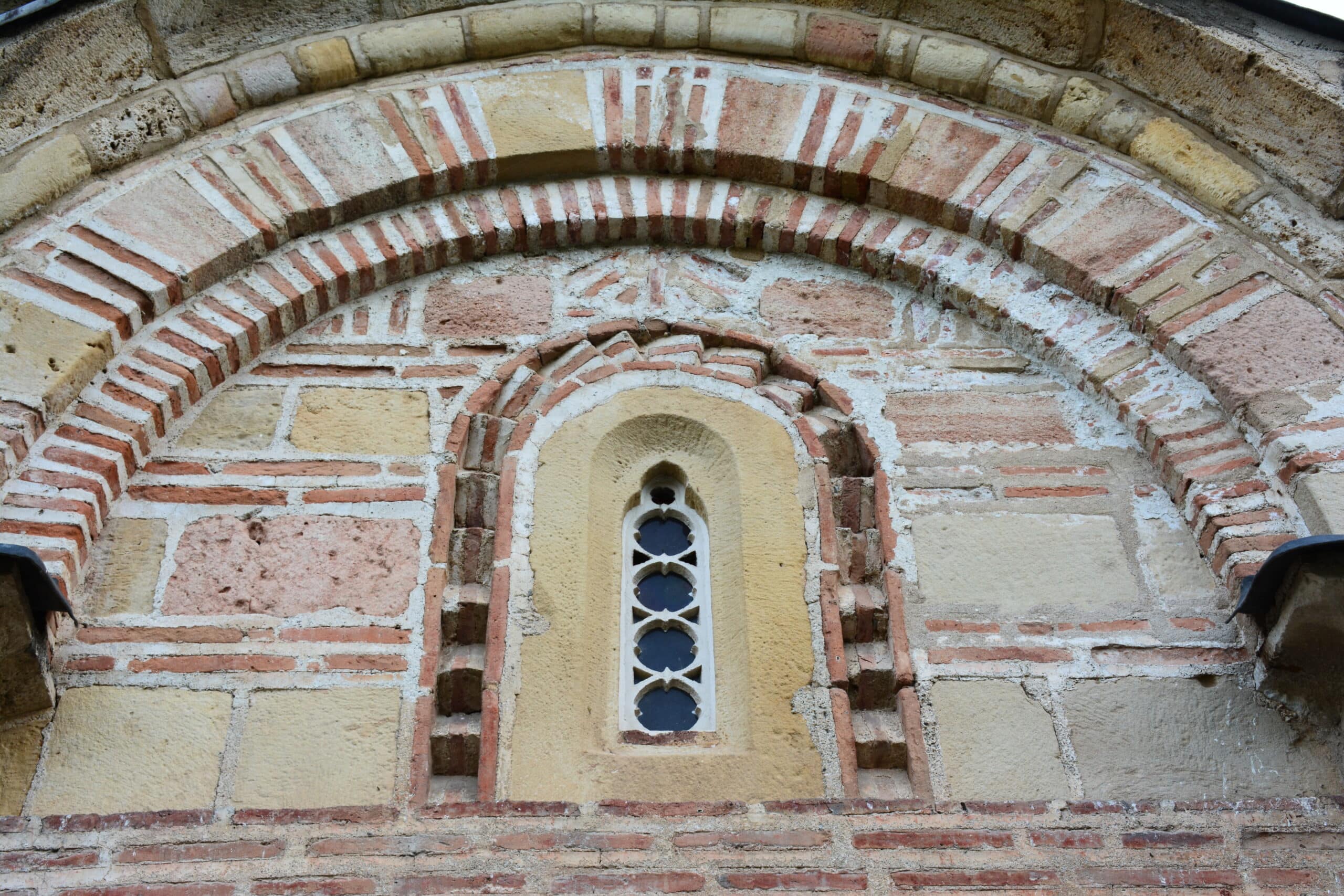
The external, static appearance of the structure is not of primary importance, but rather the manner in which it has been built. This is especially crucial when addressing any interventions on the structure and its proper maintenance. Above all, one must understand the method and process of construction. The dynamics and movement of the process, broken down in time, reveal the external appearance, but also—perhaps even more importantly—the composition, method, and quality of what has been built into the edifice.
Construction reveals the dynamics of process, the gradual unfolding of the building itself. The archetype of such gradual creation is the Hexaemeron. Architecture is akin to creation as a whole. It is alive and moves within time. Church architecture is a seal, a reflection of the Divine Wisdom that is revealed to us, not proven. Thus, within time, space is gradually shaped; yet the space, once formed, preserves (saves from oblivion) the times through which it has moved.
Therefore, when interventions are undertaken, the focus must not be solely on one period, even if that period is the original. Without excluding anything, but rather acknowledging what has accumulated like a palimpsest, out of respect for all generations across the centuries, we must discover the ways and means by which we approach this work—that is, the spirit in which we engage in creation—so that we may prove ourselves worthy heirs.
In this spirit, the Department of Architecture at Panepistimio is oriented toward the study of the building system of Byzantine sacred architecture, with all its architectural, material, and theological dimensions. Today, this is an essential need, both for the restoration of the many monuments from that period, as well as for the process of designing and constructing new Orthodox churches in the spirit of the Tradition.